Featured

Latest Safety Blog

All Topics Safety Standards Certifications Sourcing Tips OSHA Compliance Product Care
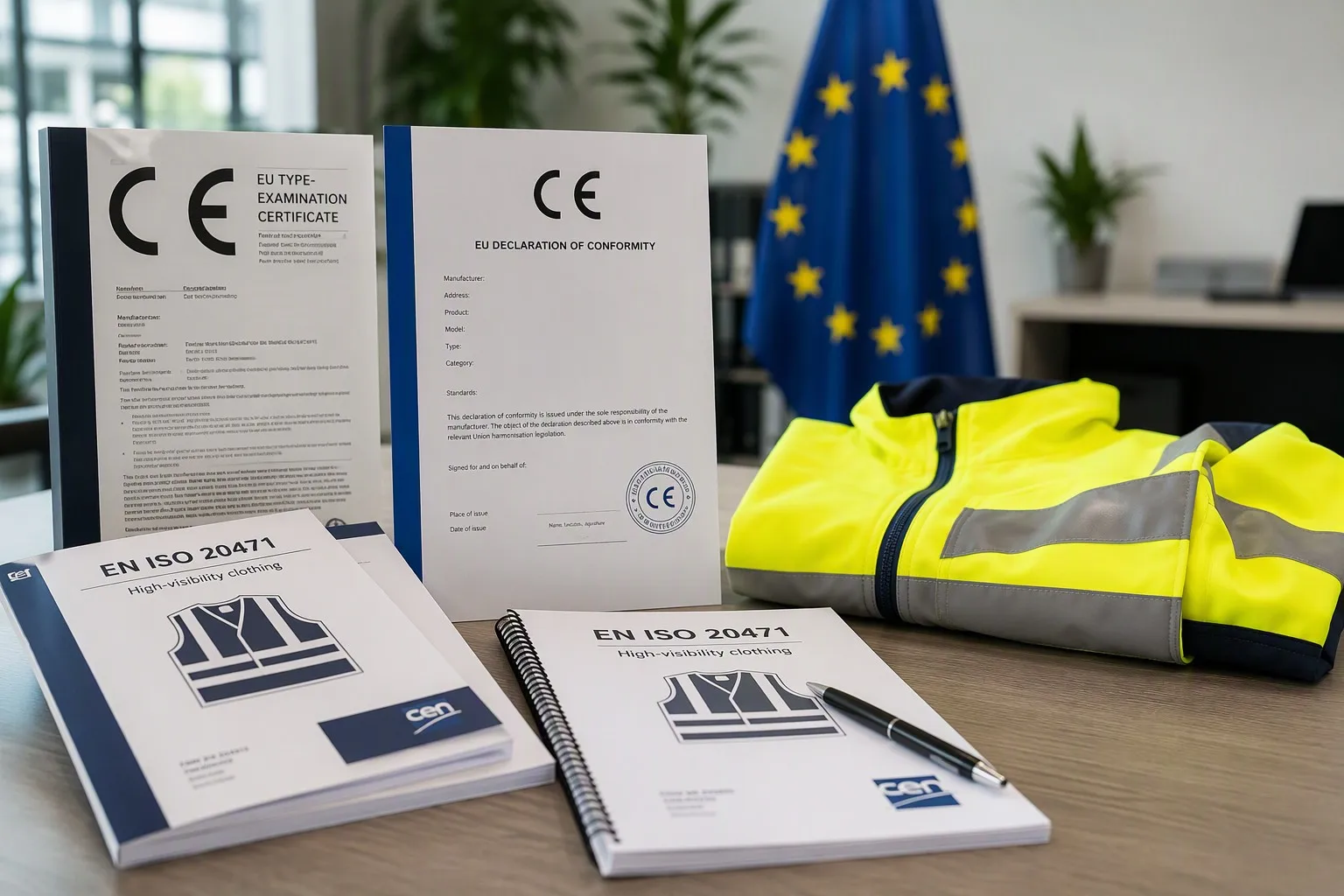
EN ISO 20471 Certifications

EN ISO 20471 vs ANSI 107: Key Differences for Global Buyers

If you're selling to both US and European markets, you need to understand how these two standards align — and where they diverge.
May 2026 · 6 min Read
OEM Sourcing Sourcing Tips

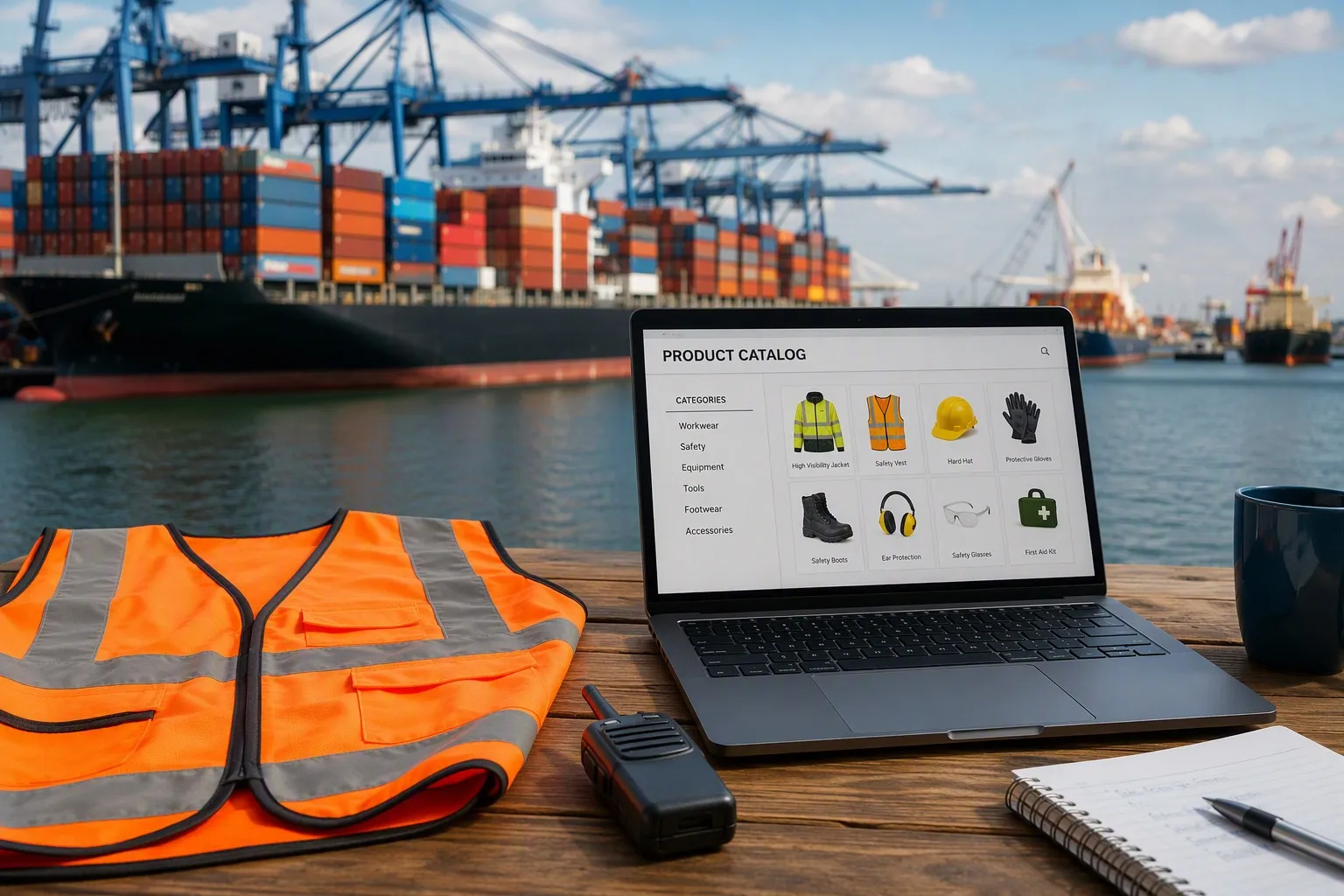
How to Source Hi-Vis Safety Vests from China: A Step-by-Step Guide

From factory audits to sample approval and customs clearance — a practical guide for first-time importers of safety apparel.
Apr 2026 · 10 min Read
OSHA Compliance OSHA Compliance

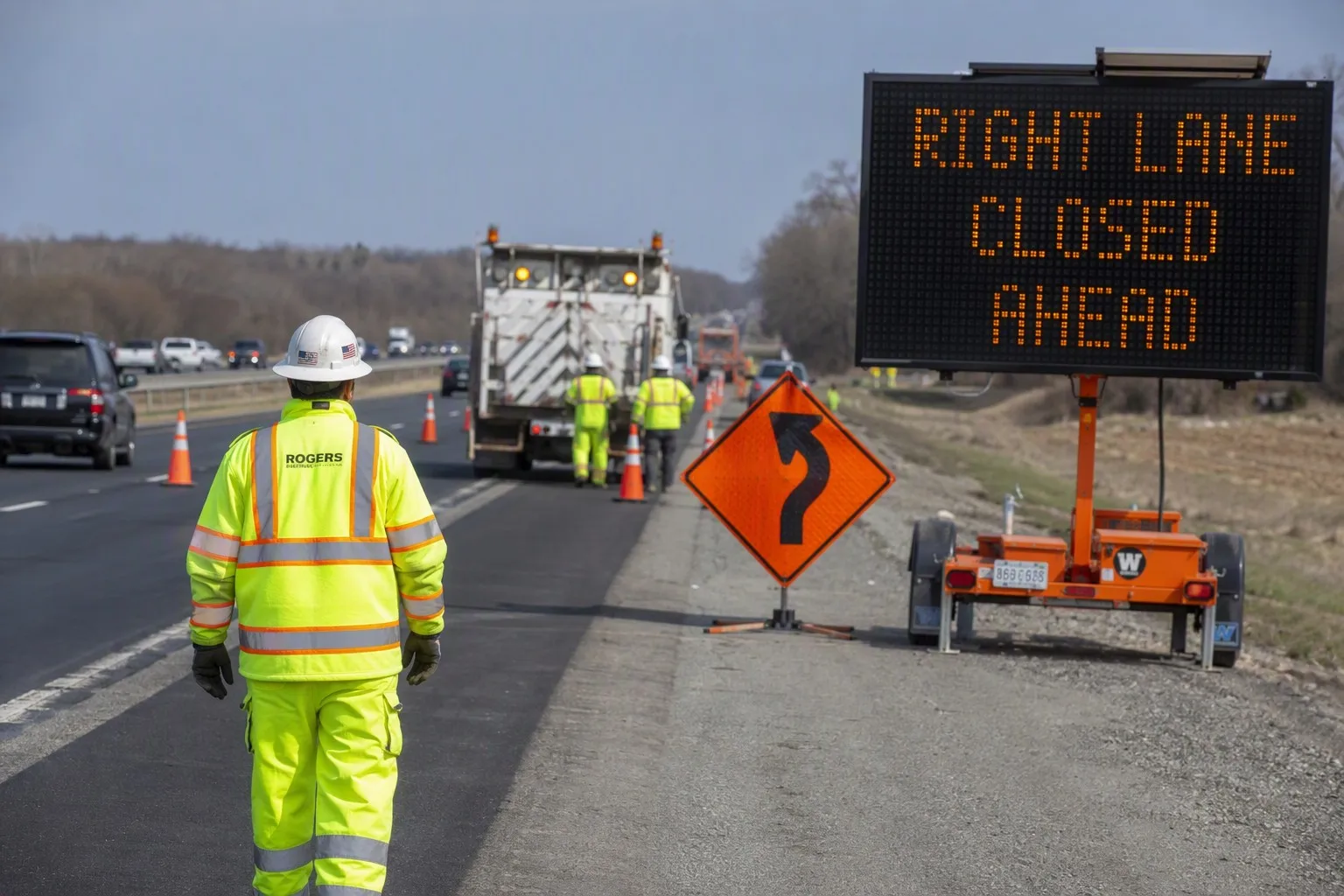
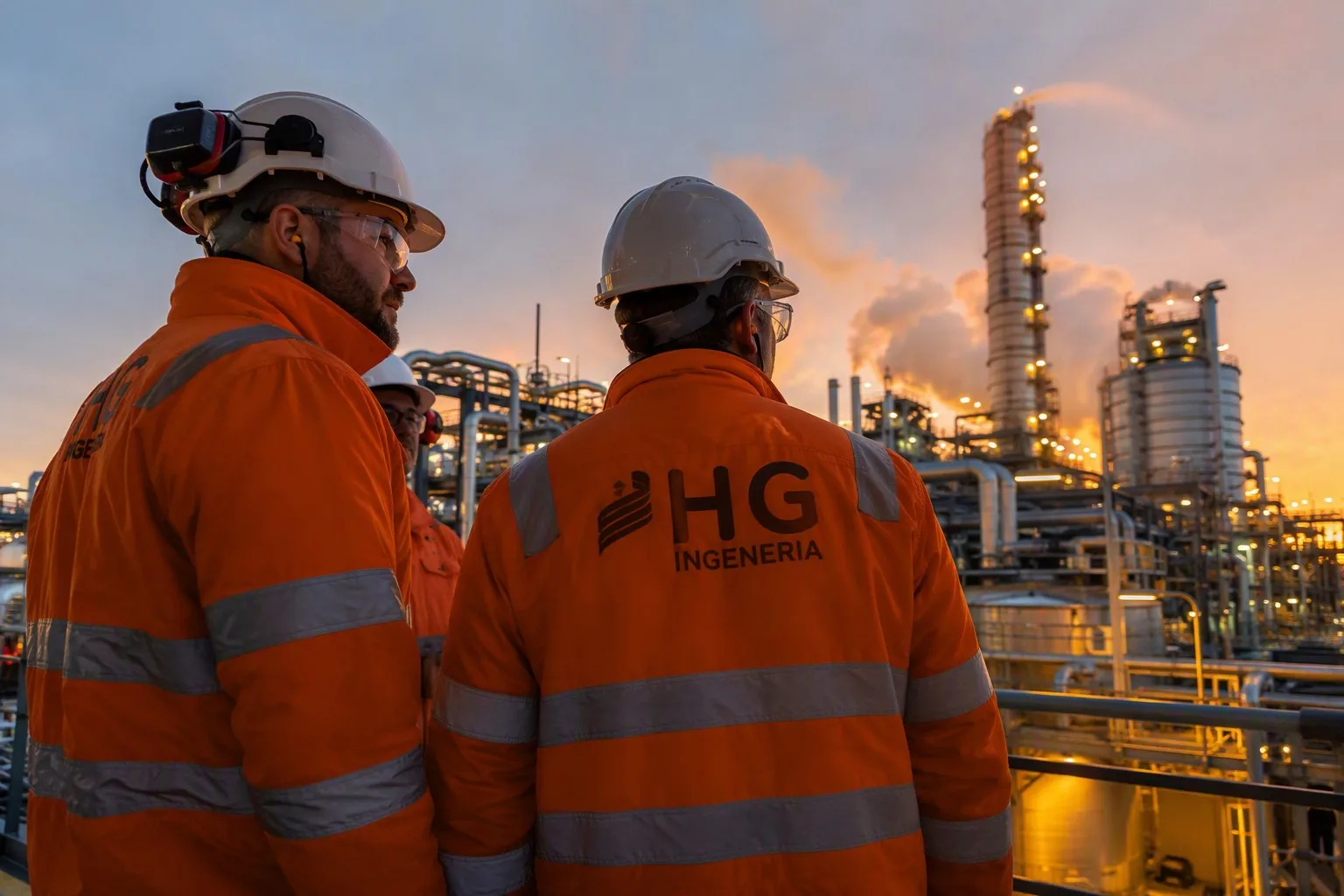
OSHA 1926.201: What Contractors Must Know About Hi-Vis on Job Sites

OSHA mandates for construction sites explained in plain language — what class is required, when, and for which workers.
Mar 2026 · 5 min Read
FR Fabric Safety Standards

FR Hi-Vis Garments: When Do You Need NFPA 2112 Compliance?

Flame-resistant reflective apparel is required in oil & gas, utilities, and petrochemical environments. Here's how to buy right.

Feb 2026 · 7 min Read
Care Instructions Product Care

How to Wash Hi-Vis Safety Gear Without Reducing Reflectivity

Improper washing degrades retroreflective tape far faster than wear. Follow these guidelines to maximize garment life and compliance.
Jan 2026 · 4 min Read
Custom Branding Sourcing Tips

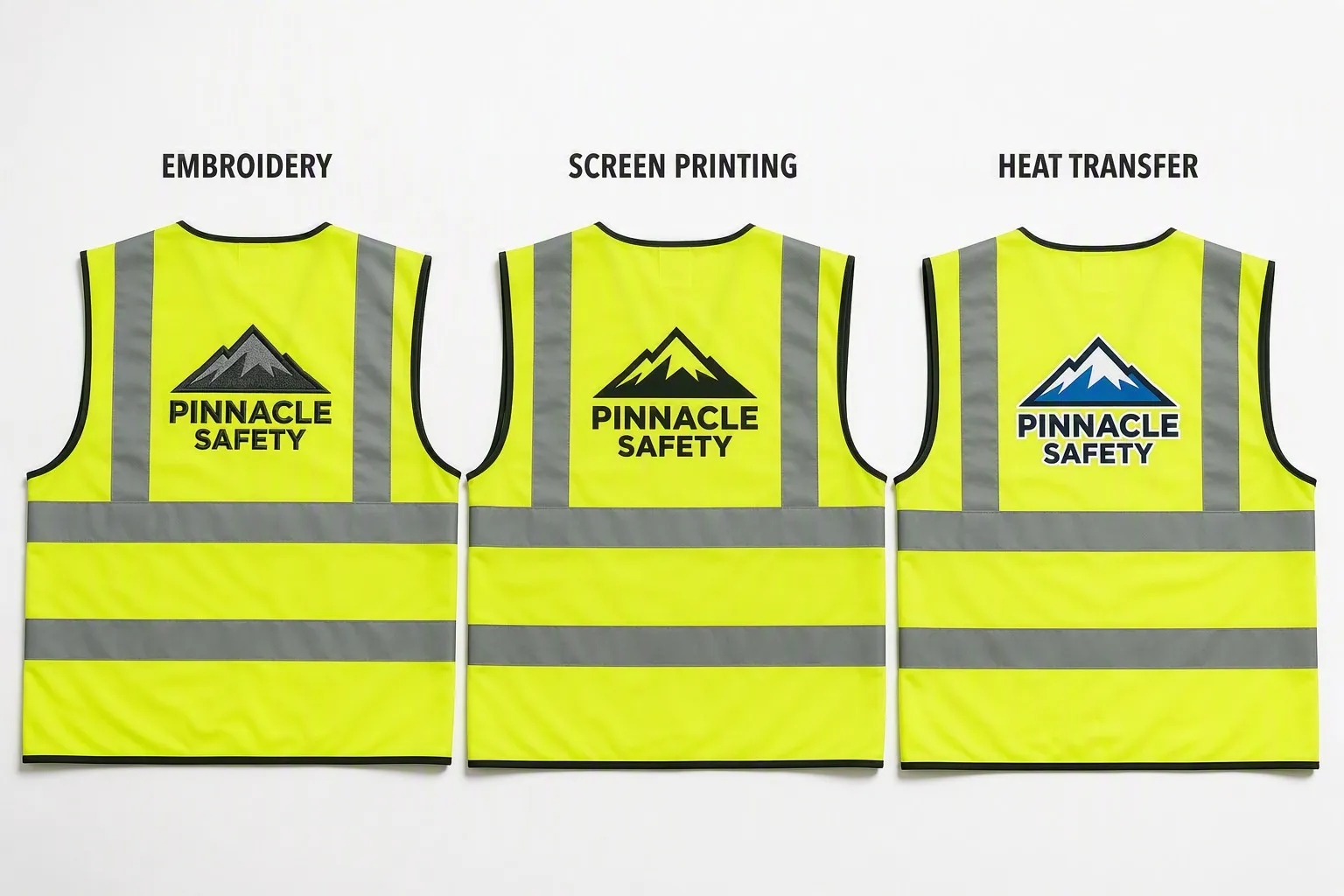
Logo on Safety Vests: Embroidery vs Screen Print vs Heat Transfer

Each method has different durability, cost, and compliance implications. We break down the pros and cons so you choose right.

Dec 2025 · 5 min Read
Quick Answers

Frequently Asked Questions

Can't find your answer?

Our technical team is happy to advise on certification requirements, compliance specifics, and product selection for your region.

Ask Our Team →
What is the difference between ANSI Class 2 and Class 3?
Class 2 provides a minimum of 775 cm² of retroreflective material and is required for workers in environments where vehicles travel up to 50 mph. Class 3 provides 1,240 cm² and is required for higher-speed roads (highway work zones, airport ramps, etc.) and provides greater limb visibility.
Do your products meet OSHA requirements for road construction?
Yes. Our ANSI/ISEA 107-2020 Class 2 and Class 3 certified products meet the FHWA Manual on Uniform Traffic Control Devices (MUTCD) requirements referenced in OSHA 29 CFR 1926.201. We can provide full test reports and certification letters upon request.
What is your minimum order quantity for custom logo products?
Our standard MOQ is 100 pieces per style per color. For custom logo embroidery or screen printing, the same 100 pcs MOQ applies. We can produce pre-production samples at lower quantities for approval before bulk production.
How long does a safety vest remain compliant after purchase?
ANSI/ISEA 107 does not specify a fixed expiry date, but recommends periodic inspection. Retroreflective tape should be replaced when it no longer meets the minimum performance criteria — typically after 25–40 washes or when visibly degraded. We recommend replacing garments annually in high-wash environments.
Can you produce FR (flame-resistant) hi-vis garments?
Yes. We produce FR-rated hi-vis vests, jackets, and shirts compliant with NFPA 2112 and ASTM F1506. These use inherently FR or treated modacrylic/aramid/cotton blend fabrics. NFPA 70E arc flash ratings are also available. Contact us for specifications and pricing.
What shipping options do you offer to the USA?
We offer FOB Ningbo/Shanghai, CIF US port (Los Angeles, Houston, New York), and door-to-door DDP options. Transit time is 20–35 days by sea freight. Air freight (7–10 days) is available for urgent orders. We assist with all export documentation including commercial invoice, packing list, and certificate of origin.