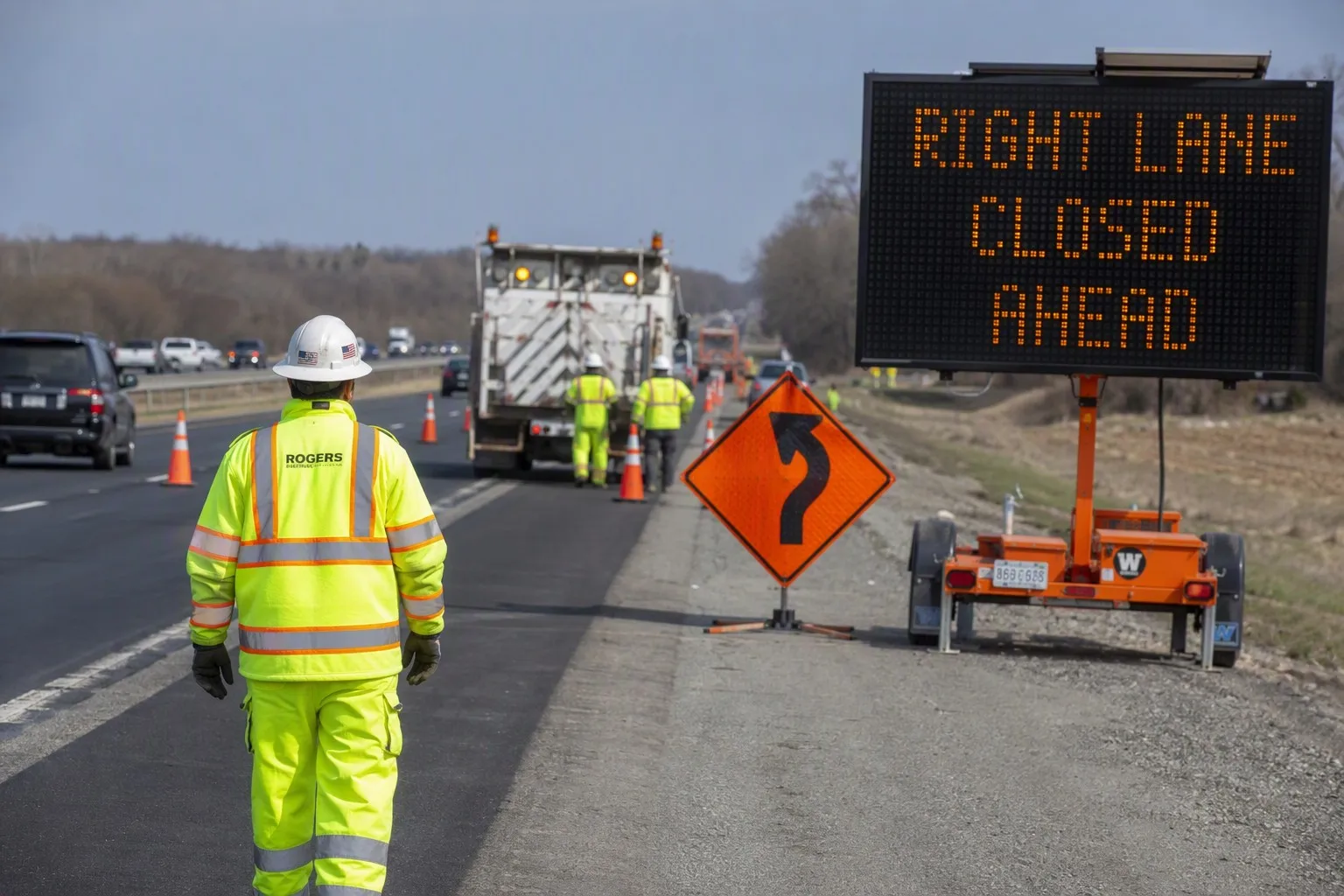
OSHA's requirement for high-visibility apparel on construction and roadway work zones is one of the most enforced personal protective equipment regulations in the United States. Yet many contractors remain uncertain about exactly what's required, when, and for whom. This article clarifies the essentials.
OSHA's construction standard at 29 CFR 1926.201 requires that workers on or near roadways exposed to traffic must wear high-visibility apparel meeting ANSI/ISEA 107 (or equivalent). The standard references ANSI performance classes but leaves specific class requirements to the controlling agency (typically MUTCD for federal-aid highway projects).
| Worker Category | Minimum Class Required |
|---|---|
| Flaggers controlling traffic | Class 2 or Class 3 |
| Workers in the roadway (≤ 35 mph) | Class 2 |
| Workers in the roadway (> 35 mph) | Class 3 |
| Workers near but not in the roadway | Class 1 minimum (Class 2 recommended) |
For nighttime operations, OSHA and MUTCD require higher visibility levels. Class 3 garments are typically mandated for workers in active roadway lanes after dark. The retroreflective tape requirement is critical — ensure your supplier provides test reports showing retroreflection performance meets ANSI 107 Level 2 or Level 3.
Establish a written PPE policy that specifies the minimum class required for each work zone type on your sites. Document that all hi-vis garments are ANSI-certified (retain purchase records and, where possible, test reports). Inspect garments regularly and replace any with degraded retroreflective tape.
WX Reflective — factory-direct manufacturer, MOQ 100 pcs, ANSI & EN ISO certified, custom logo available.
Get a Free Quote